Abernethy Highland Games
It is with great sadness that given the ongoing wildfire and its response, the Abernethy Highland Games 2026 have been cancelled.
We look forward to welcoming you back on Saturday 14th August 2027.

The Story of the Games
Thanks to Queen Victoria’s enthusiasm for all things Highland and the increasing attraction of Highland estates to wealthy visitors for shooting and fishing, organised Highland Games became popular from the 1830s and 1840s as a way of entertaining guests.
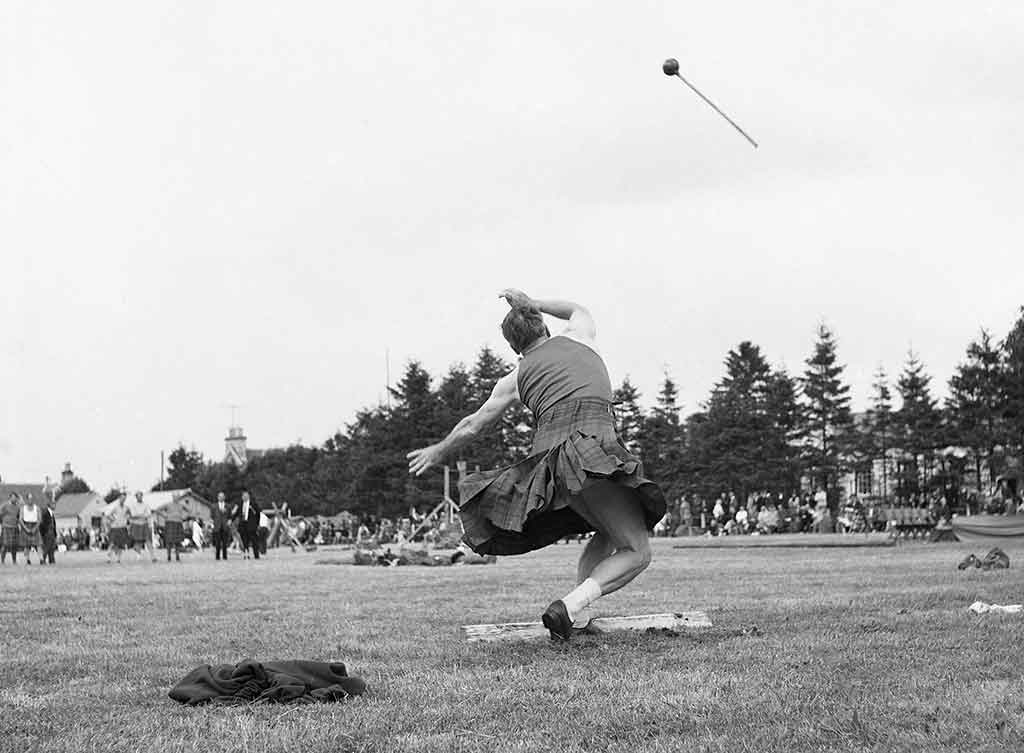
Grantown’s Castle Grant had the earliest in the area and there were annual events there until the 1860s. In September 1847, Lord Suffield, who was renting the shootings at Coulnakyle, organised what seem to be the first Games in Abernethy, when a crowd of around 700 watched putting the shot, hammer throwing, races, jumping and highland dancing.
At the end of the afternoon remaining visitors ‘were liberally supplied with refreshments’.

‘In the Shadow of Cairngorm’
an extract from
by The Rev. W Forsyth, MA., DD published 1900 states:
The following extracts from private letters will show how much he [Francis William Grant (1840 – 1853) MP for Inverness-shire 1838 – 1840] was charmed with the country and the people, and especially with Abernethy. Writing to Mr Forsyth, Dell, from Cullen House, 18th December 1837, he says:-
‘I look forward with much delight to my visit to Strathspey, and although it will not be so long as I could wish, I will stay as long as I possibly can”
Then when the visit was past, he writes from Milton Brodie, 21st January 1838 :
“The people down here are talking a great deal about our doings, and I am praising Abernethy up to the skies for dancing and everything that is good. I cannot repeat to you too often how very much I feel indebted to yourself and to Mrs Forsyth for all your kindness to me, for I must say, and I hope you will let it be known, that a happier fortnight I never spent. If I omitted calling on any one, it was not that the wish, but that the time was wanting.
I only hope that you and Mrs Forsyth have not suffered from your exertions. I trust that you will keep me in the remembrance of the people of Abernethy, and keep alive the Kilt, Games, and Highland Fling,for next summer. I hope to see all in perfection.
Remember me to all my friends, and your neighbours, at Rotjiemoon, and particularly to Lewis Grant, as I depend upon him to throw the hammer next time far beyond the Mason of Grantown” [Thomas Stewart and Grigor Burgess, Grantown had carried off the first prizes at the Games]
The date was 2 September 1880, a Thursday, and over the next few years the date fluctuated between late August and early September, but always on a Thursday until 1906, when the Games moved to a Saturday. By 1888 competition was open to all-comers and was described as ‘the largest and most important gathering in Speyside’. A few wet days in the 1890s and early twentieth century dampened proceedings, but with Nethy Bridge now at the height of its time as a fashionable resort, there was a covered stand for the most distinguished visitors. Reports on the Games in 1907 highlighted the number of motor cars that now brought guests from the various shooting lodges, and the Abernethy Games was then regarded as ‘the premier event of the season’ in upper Speyside.
From 1901 the site had moved to a new field on Coulnakyle, close to Nethybridge station, and horse trotting was added to the list of attractions. Entry now cost a shilling.
Despite some very wet days, the popularity of the Games does not seem to have declined in the years before 1914. By 1910 side-shows had been added to the proceedings, but the emphasis remained on the traditional aspect with strong competition for piping and dancing.


The outbreak of war in August 1914 brought an end to such events. Games were held in August 1920 but, after that there were no Games in the years between the world wars.
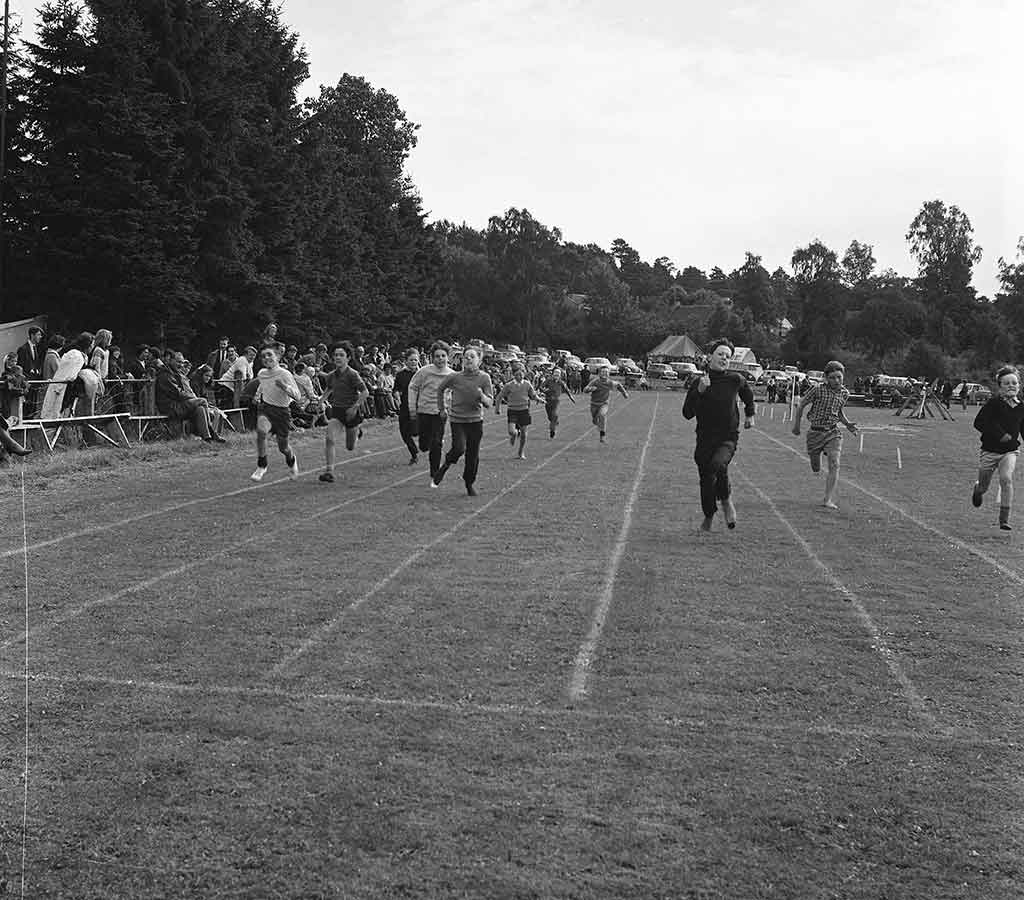
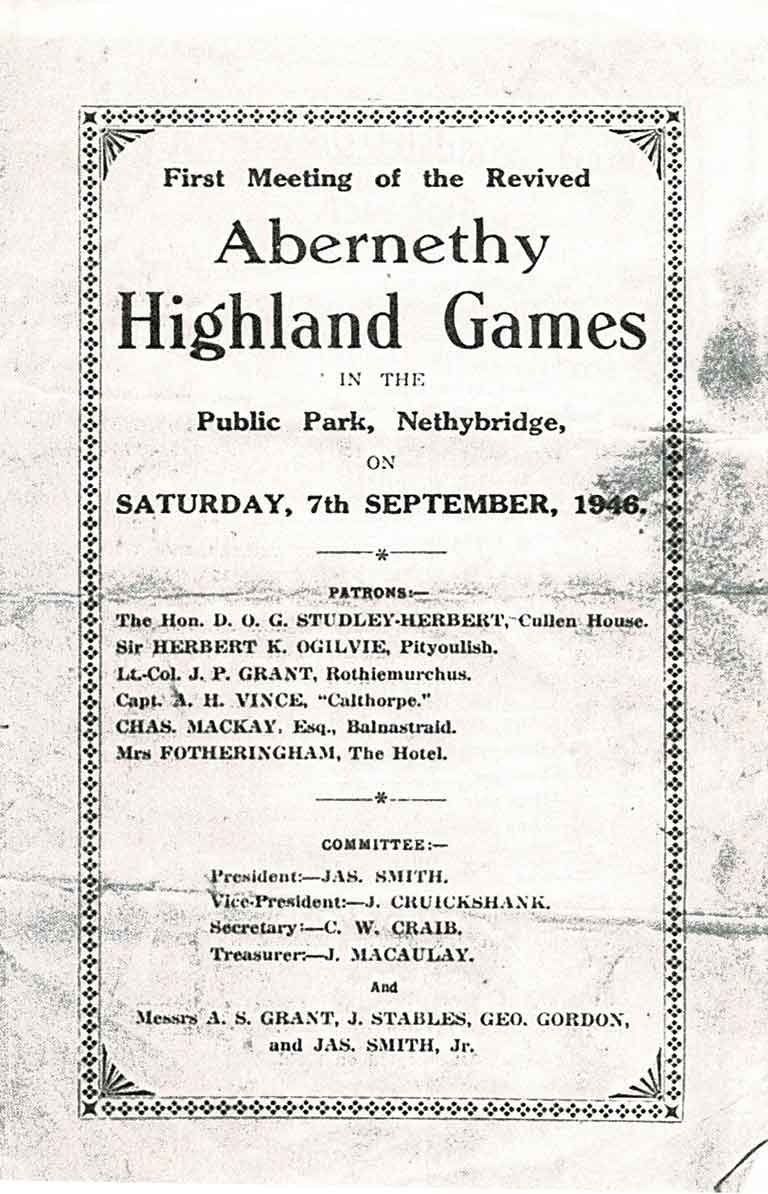
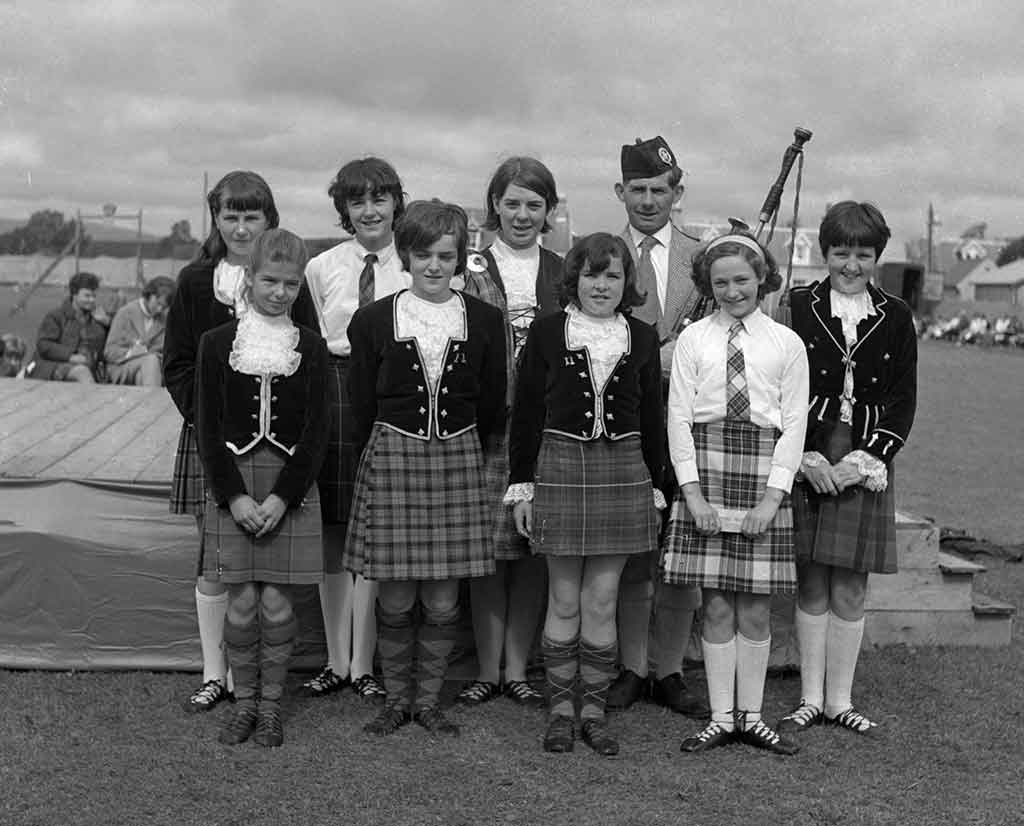
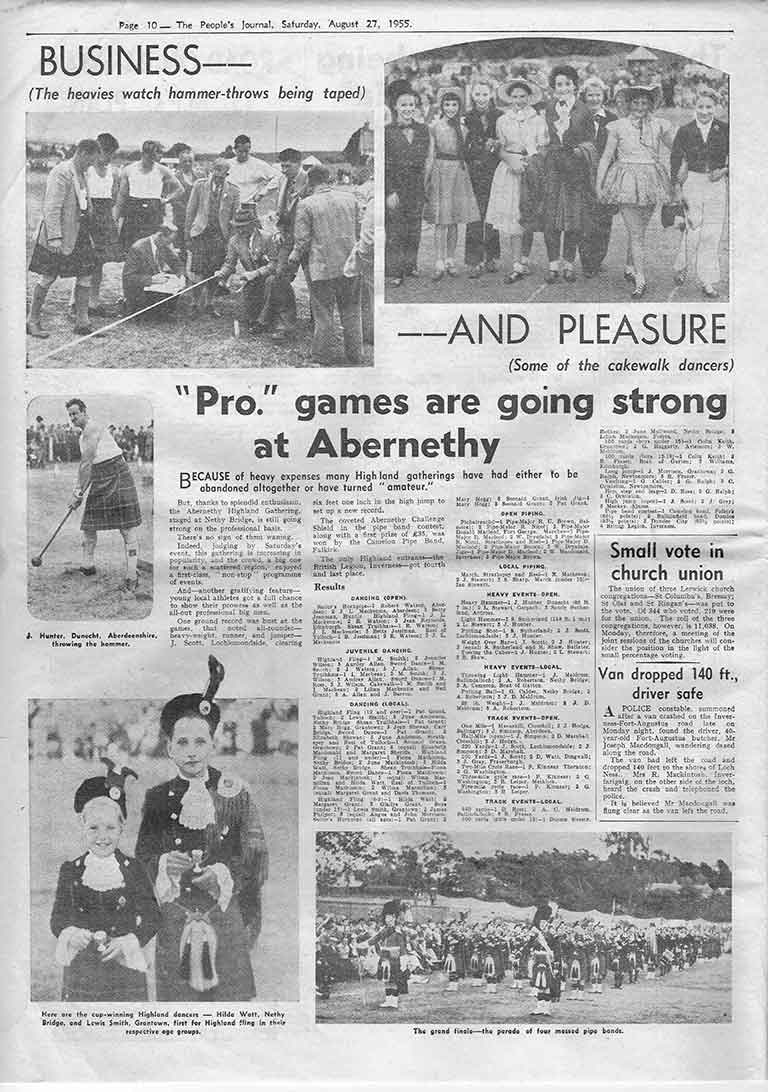
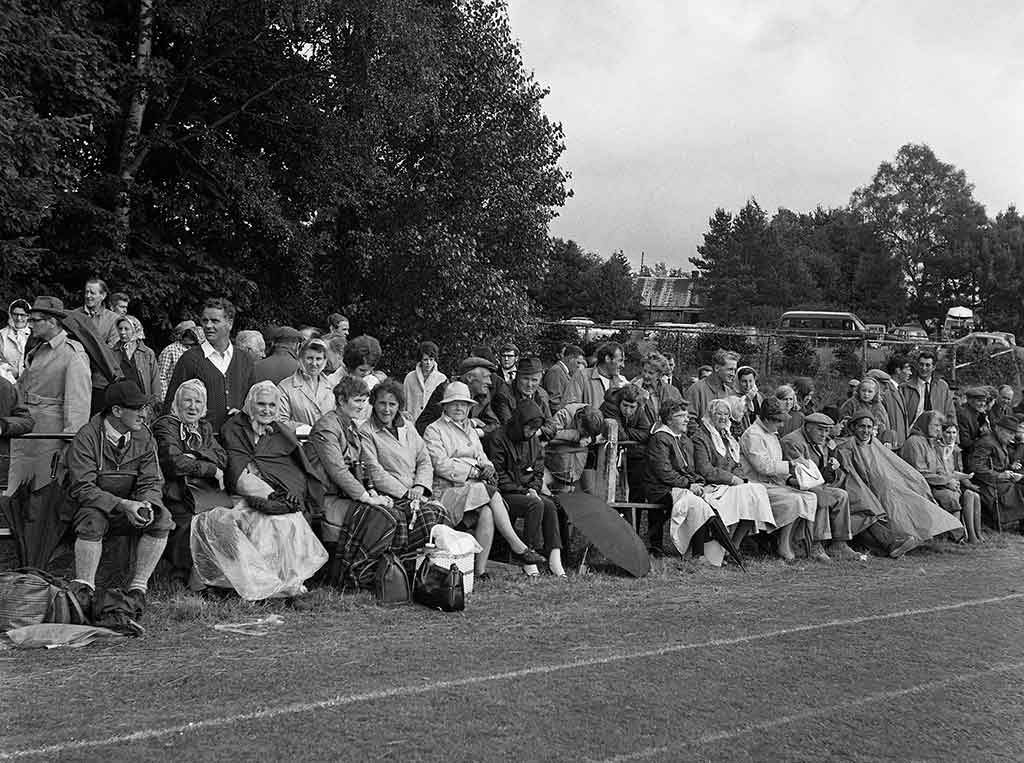
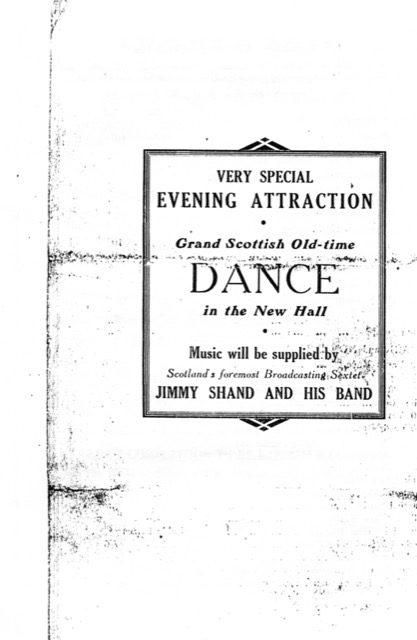
1946, however, brought the revival of the Abernethy Highland Games and, barring the lockdown, the story has been continuous ever since. The timing was still early September, but the event was now on land donated to the village in the 1920s by the Countess of Seafield. The second revived Games in 1947 was followed by a dance, and the first visit of Jimmy Shand and his band. With a crowd of nearly 5000 in 1954, the Oban Times regarded them as ‘the Premier Games of the North’, although the Games’ Committee itself, more modestly, claimed ‘second only to Braemar.
There was an attempt in 1959 and 1960 to confine the heavy, track and field events to amateurs, but this was soon abandoned. The first 10-mile Road Race was in 1969. A move to the second Saturday in August for the Games was made in the early 1960s, but it was some years before that became a fixture.

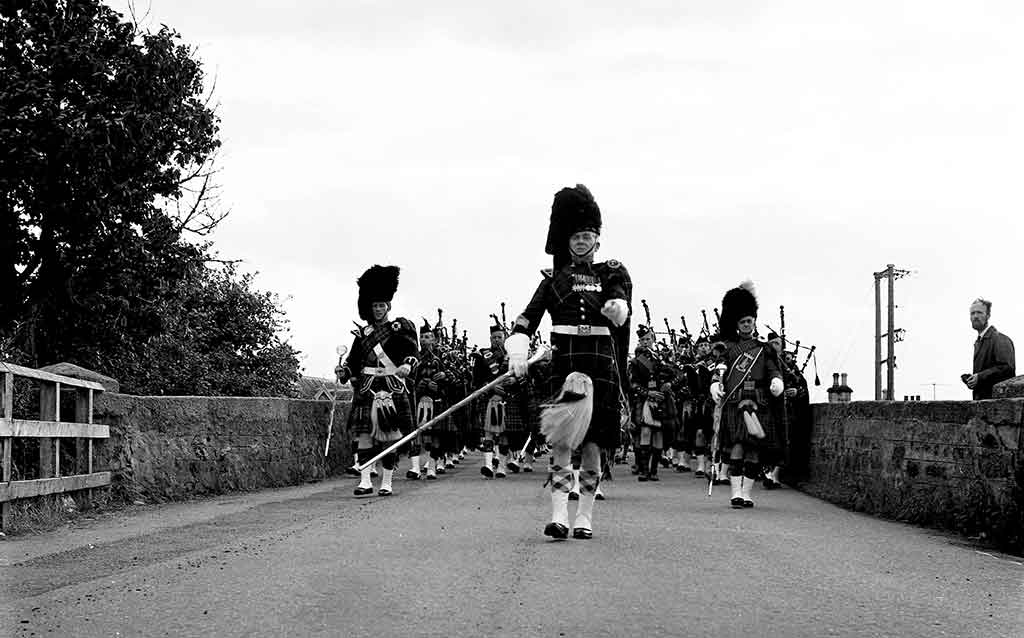
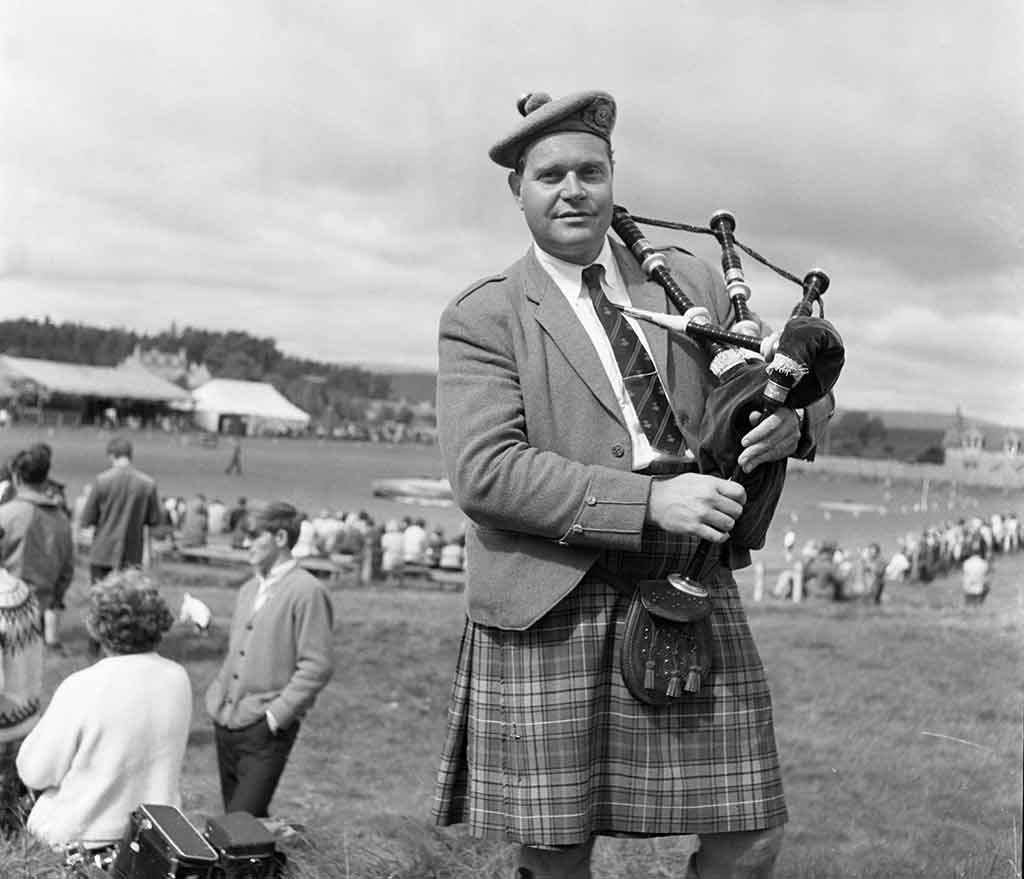
Massed bands became a feature as soon as the Games revived and, in 1950 a Pipe Band competition was introduced that attracted bands from as far afield as Dundee and Aberdeen. The crowd in 1954, according to the Sunday Post, reached 5000.
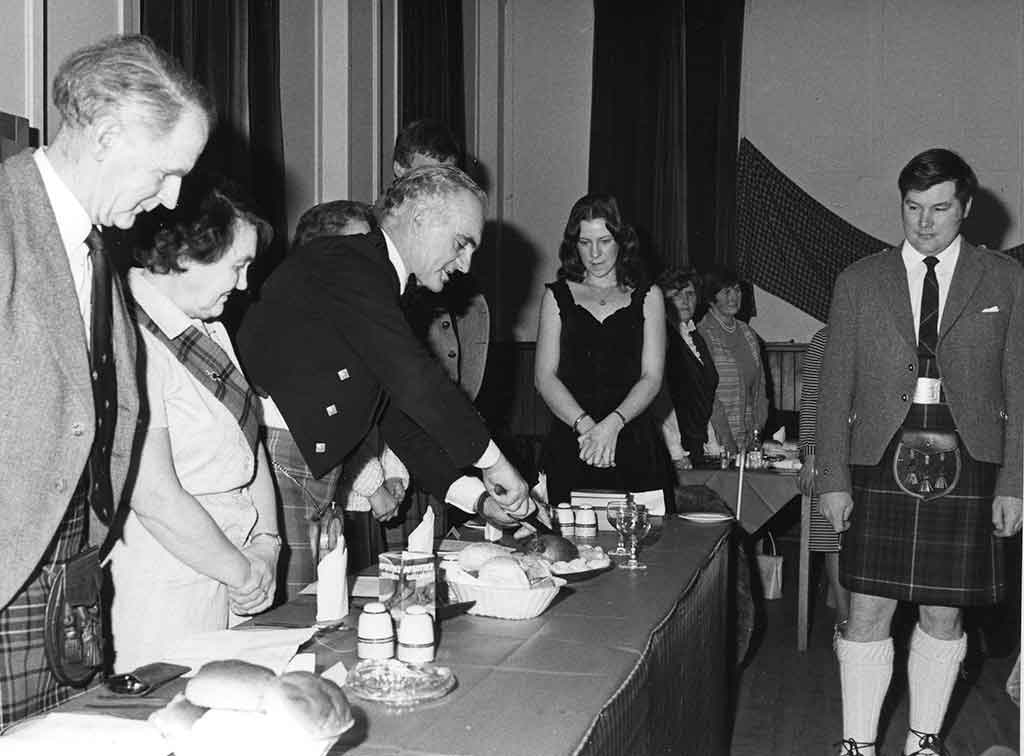
The first linking of the Games to the Clan Grant gathering was in 1985, when 40 members of the Clan Grant from the United States were being entertained. From soon after that the march of the Clan Grant became a regular feature.
There were brief moments when the future of the Games seemed in jeopardy, but the Games survived and, with a dedicated committee, moved from strength to strength.